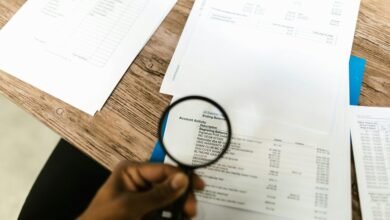
Call log verification for the listed numbers and the term Atarwashna requires a disciplined, skeptical approach. The process hinges on examining timestamps, durations, intervals, and call patterns for inconsistencies or spoofing signals. Methods must be transparent, repeatable, and privacy-conscious, using trusted cross-checks and anomaly detection. If red flags emerge, actions should be justified and documented. The stakes demand careful corroboration before drawing conclusions, but ambiguities remain that invite further scrutiny.
What Is Call Log Verification and Why It Matters
Call log verification is the process of confirming that recorded phone call data accurately reflects actual conversations, times, and participants. This topic outlines call log verification basics and clarifies why fidelity matters. A skeptical, verifiable stance emphasizes data integrity, auditability, and transparency. For a freedom-minded audience, accuracy guards accountability and privacy, highlighting the importance for privacy through reliable, traceable records.
Reading Call Metadata: Numbers, Timestamps, and Patterns to Spot Red Flags
Reading call metadata begins with a careful examination of numbers, timestamps, and interaction patterns to identify inconsistencies or anomalies. The analysis emphasizes call metadata, scrutinizing call durations, gaps, and repeating sequences.
Pattern analysis reveals clusters, spoofing indicators, or unusual time zones. Red flags emerge when legitimacy checks fail, prompting caution about inconspicuous legitimacy or fraud risks in individual interactions.
Verifying Legitimacy: Practical Tools and Step-By-Step Checks
Verifying legitimacy relies on a structured toolkit of technical checks and disciplined verification steps. In practice, practitioners employ concrete verification methods such as cross-referencing databases, corroborating metadata, and anomaly detection. Methods are documented, repeatable, and skepticism-driven. Privacy safeguards are considered at every stage to minimize exposure, ensuring accountability without compromising user rights during legitimate verification activities.
Handling High-Risk Contacts and Protecting Privacy Without Delay
The handling of high-risk contacts requires a careful balance between prompt protective actions and the preservation of privacy.
Agencies pursue transparent risk assessment processes, relying on verification tools to confirm legitimacy while minimizing data exposure.
Call privacy safeguards limit collection of call metadata, yet permit essential tracing.
Independent audits and verifiable procedures ensure accountability without delaying timely interventions.
Frequently Asked Questions
How Can I Verify Caller Identity Confidentially?
To verify caller identity confidentially, the approach relies on privacy controls and identity verification measures, ensuring data minimization, end-to-end encryption, and auditable logs. Skeptically, users should demand verifiable methods and independent assurances before sharing sensitive details.
What Indicators Prove a Number Is Spoofed?
Indicators spoofed include mismatched caller IDs, anomalous time stamps, and inconsistent metadata. Verification methods rely on independent records, carrier insights, and corroborating context, while skepticism remains essential; trusted sources confirm data, guarding freedom and privacy.
Do Call Logs Reveal Recording or Location Data?
Call logs do not inherently reveal actual recordings or precise device location; they mainly show call metadata. However, call log metadata can indicate connections to servers and timing, raising privacy implications for users who value freedom and transparency. Skeptically verifiable.
Can I Block Numbers Without Alerting the Caller?
Blocking etiquette suggests yes, it is possible to block numbers without alerting the caller, though outcomes vary by platform. Caller privacy considerations imply discreet blocking; verification remains needed, and users should assess risks, legality, and personal freedom implications.
Are There Legal Risks in Tracing Unknown Numbers?
Coincidence reveals itself: tracing unknowns carries legal risks, especially when caller identity or spoofed indicators complicate call logs and location data; blocking numbers can trigger alerts, yet legality remains scrutinized, demanding cautious, skeptical handling of data and consent.
Conclusion
Call log verification demands a disciplined, evidence-driven approach: examine timestamps, durations, intervals, and metadata for patterns, anomalies, or spoofing indicators; corroborate findings with trusted sources; and document methods transparently to ensure repeatability while protecting privacy. When red flags arise, escalate with clearly defined steps and minimize data exposure. Is any contact truly legitimate when multiple data points contradict the claimed origin? A skeptical, privacy-conscious stance yields actionable conclusions rooted in verifiable evidence rather than assumptions.