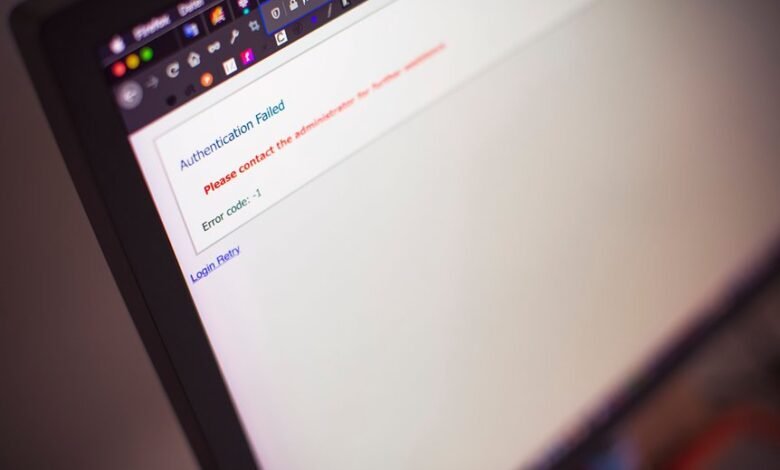
The 168.150.1.1 address occasionally appears as a router gateway in configurations, but it is not universally valid and may signal misconfiguration or routing anomalies. This discussion outlines what the address implies, quick verification steps, and targeted fixes to restore connectivity. It separates device, gateway, and upstream issues, lists practical checks, and suggests firmware updates and DHCP alignment. With these indicators in hand, a structured approach can reveal the root cause and guide the next actions.
What 168.150.1.1 Invalid Router Address Means
The 168.150.1.1 address is commonly encountered as a gateway default in certain router configurations, but it is not universally valid for all networks.
In this context, it signals an invalid IP address when misconfigured, prompting a router diagnosis. Observers assess subnet alignment, DHCP scope, and device role, ensuring routing integrity and purposeful address allocation without ambiguity.
Quick Checks to Verify Your Router’s IP
A direct check of the router’s IP address begins with confirming the device’s advertised gateway in use across the network and contrasting it with the device’s actual configuration. Systematic verifies ensure consistent addressing, noting discrepancies.
Key concerns include Router security and Network firmware integrity, with measurements such as default gateway drift and DHCP scope alignment to prevent misrouted traffic and exploit exposure.
Step-by-Step Fixes to Restore Connectivity
To restore connectivity efficiently, the steps begin with a structured assessment of the network stack, identifying whether the fault lies at the device, gateway, or upstream link.
The process emphasizes targeted network troubleshooting: verify hardware compatibility, test cables and ports, update firmware, and confirm the invalid router is correctly addressed. Each fix remains precise, avoiding unnecessary complexity and fluff.
Preventing the Error in the Future and Common Pitfalls
Preventing the error in the future and identifying common pitfalls require a proactive, data-driven approach that reinforces existing fixes. A disciplined configuration discipline minimizes risk by validating device identifiers, ensuring consistency across firmware, and auditing network maps.
Key cautions include avoiding misconfigured hostname entries and preventing duplicate gateway instances, which otherwise propagate routing anomalies and complicate troubleshooting.
Frequently Asked Questions
Can 168.150.1.1 Be Used as a Public IP?
Cannot use 168.150.1.1 as a public address. The address is reserved/private or non-routable, and cannot function as a public address. It is not suitable for global routing, and using it would violate networking standards and policies.
Is This Error Related to ISP DNS Settings?
Yes, the error can relate to ISP DNS settings, but may also reflect DNS misconfig or router firewall blocks. The analysis notes DNS misconfig with misrouted DNS, firewall rules, and potential NAT issues impacting connectivity.
Will Changing Router Firmware Fix This Issue?
A firmware update may temporarily alleviate misrouting symptoms but unlikely fix a fundamentally invalid router address; if issues persist, hardware replacement should be considered. In freedom-focused terms, firmware update optimizes, hardware replacement guarantees, reliability.
Can Mobile Hotspot Substitute for Home Router?
“Needle does not jam in hay.” A third-person, technical assessment: hotspot vs router can substitute for home connectivity short-term but limited by data caps and reliability; firmware upgrade vs replacement favors replacement for sustained performance and security, not upgrade.
Should I Replace My Router if Problem Recurs?
If the issue recurs, a router replacement is advised; evaluate performance and reliability. Consider a firmware upgrade first to rule out software faults, then assess warranty coverage and replacement options for a durable, future-resistant network solution.
Conclusion
The 168.150.1.1 address, when presented as a gateway, signals potential misconfiguration or routing anomalies rather than a universal standard. In practice, verify the device’s actual IP, confirm DHCP scope alignment, and test cabling and firmware versions to isolate faults. Addressing the root cause—device, gateway, or upstream link—restores reliability. Think of the network as a circuit; correcting the wrong gateway is like rerouting a current to a proper path, restoring flow and stability.