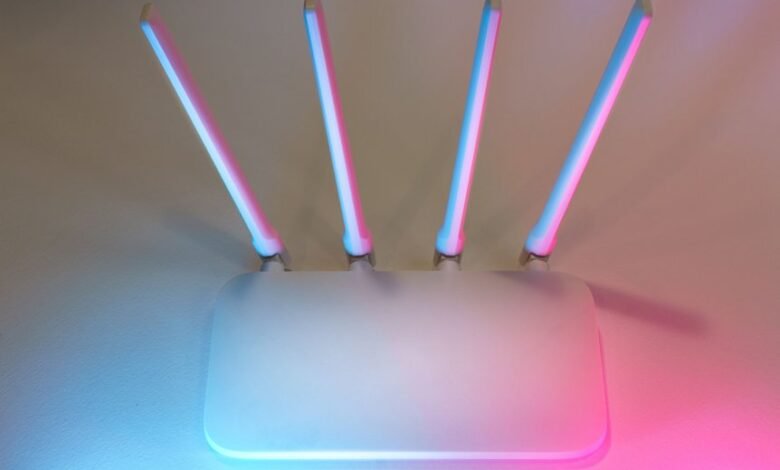
This guide examines configuring a router at 168.0.31, focusing on secure access and auditable management. It covers discovering the default gateway, safely opening the admin page, and replacing default credentials with a strong, unique password. It also addresses applying robust wireless settings, firmware updates, and session controls. The discussion will identify common pitfalls and protective steps, then outline practical actions to harden administration. The next section presents concrete steps to implement these protections efficiently.
Find the 168.0.31 Default IP and Login Credentials
The 168.0.31 default IP address serves as the initial point of access for configuration, typically documented in device manuals and on the manufacturer’s support pages.
In this context, IP address discovery identifies the gateway while credential security governs login data.
The procedure emphasizes minimal exposure, standardized credentials, and immediate change requirements to preserve system integrity and authorized access, fostering controlled, freedom-minded network management.
Access Your Router’s Admin Page Safely
Accessing the router’s admin page should be performed from a trusted device over a secure connection, using the device’s default gateway address to reach the login interface. The procedure emphasizes password safety and structured device management. Admin access should be limited, monitored, and logged; use strong credentials, enable two‑factor authentication where available, and ensure session timeouts to maintain security and freedom through controlled configuration.
Strengthen Wi‑Fi With Name, Password, and Security Settings
This section outlines how to reinforce wireless security by configuring the network name (SSID), the Wi‑Fi password, and core protection settings. The guidance emphasizes unique SSIDs, strong credentials, and updated encryption.
Implement network security by applying password best practices: lengthy, random passwords, periodic changes, and manager-approved storage.
Clear, auditable configurations support freedom through resilient, transparent wireless management.
Troubleshooting Common Login and Connection Issues
Common login and connection issues are analyzed by outlining typical failure modes, diagnostic steps, and corrective actions.
This section adopts a methodical approach: identify symptom, verify credentials, check network status, and test connectivity paths.
Key practices include password management discipline and timely firmware updates to fix bugs, improve stability, and preserve access control while maintaining user autonomy.
Frequently Asked Questions
Can I Update Firmware Remotely From the Admin Page?
Firmware updates are typically not performed directly via admin pages unless the router supports remote firmware security checks; if enabled, remote access permits updates, otherwise local update procedures apply, emphasizing secure channels and authenticated firmware sources to preserve device integrity.
How Do I Reset the Router Without Losing Settings?
The reset method preserves settings if performed via the admin interface’s soft reset, then restores from a firmware backup. It avoids full factory reset; ensure a firmware backup exists before proceeding to prevent data loss.
What Are the Default Admin Account Access Limits?
Default admin access limits vary by model; typical policies restrict concurrent sessions and IP-based login attempts. Two word discussion ideas: access scope. Off topic concepts: hardware uptime. The detached description notes role-based or device-based constraints, emphasizing security-minded freedom.
Can I Change the Router’s LAN IP Address?
Yes, it is possible to change LAN IP. The procedure involves accessing the router’s admin interface, locating LAN settings, and applying a new IP range. Also consider enabling guest network to segregate visitors from the main network.
How Do I Enable Guest Wi‑Fi Access?
Enabling guest Wi‑Fi is straightforward: enable the guest network, configure device isolation, and set a separate SSID. Enable traffic restrictions, limit bandwidth if desired, and apply strong WPA3 or WPA2 security for flexible, privacy‑minded access.
Conclusion
Conclusion:
In sum, securing the 168.0.31 gateway hinges on disciplined configuration: unique, robust credentials; updated firmware; authenticated admin access; and auditable logs. The procedure mirrors a well‑engineered protocol, each step reinforcing the next. Anachronistically, one might recall the ancient scribe sealing parchments with wax—a simple, tangible barrier reminding us that even modern routers require tangible, deliberate safeguards to preserve integrity in a digital age.