
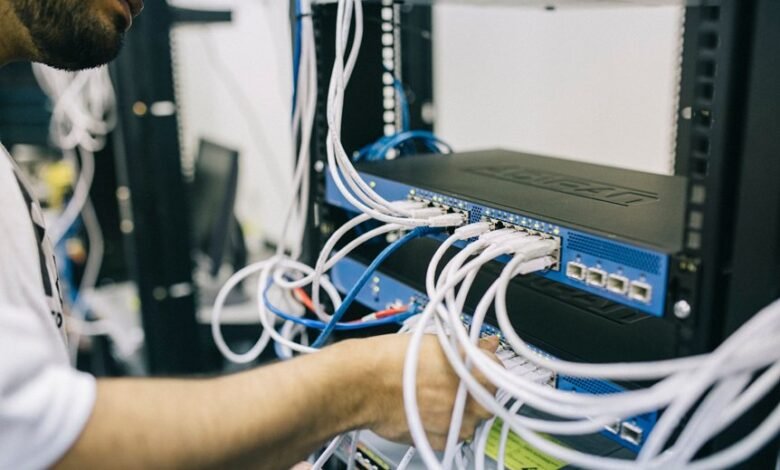
The topic centers on 168.233.1 as a private management block used for internal router control. It outlines how the admin panel is accessed, typically via a local IP, and the importance of secure credentials and session practices. The discussion extends to hardening measures, including access restrictions, roles, MFA, and audit trails, plus practical config like firewall and NAT, firmware updates, and rollback procedures. A careful approach is needed to ensure deterministic behavior while anticipating potential gaps that require further examination.
What 168.233.1 Represents and Why It Matters
The address 168.233.1 functions as a private network identifier used in local or isolated segments, signaling a non-routable IP block configured for internal router management. It clarifies IP classification and supports structured network addressing.
Within a router subnet, this designation aids security and segmentation, ensuring controlled access while preserving freedom to adapt topology without exposing global routing paths. 168.233.1 meaning.
Accessing the Router Admin Panel: Step-by-Step Guide
To access the router’s admin panel, users connect to the device’s management interface via a web browser or dedicated application, using the router’s local IP address and an administrator credential.
The interface presents tabs for configuration, monitoring, and updates.
Employ secure admin practices, verify session integrity, and prepare for remote access configuration, ensuring access is restricted to trusted networks and devices.
Securing Your Admin Access: Credentials, Roles, and Hardening
Securing admin access builds on the prior steps of locating the management interface by establishing robust credentials, defined roles, and systematic hardening measures. Securing credentials ensures strong, unique passwords and periodic changes; admin roles segment权限 and privileges; hardening access reduces exposure through multi-factor authentication, account lockout policies, and least-privilege configurations; credential management documents changes, audits, and revocation to sustain secure access.
Practical Router Configuration: Firewall, NAT, and Firmware Updates
This section outlines the essential configuration steps for routers, focusing on firewall rules, network address translation (NAT) behavior, and timely firmware updates.
A precise approach governs policy definition, rule ordering, and logging to support a security audit.
NAT considerations emphasize determinism and port behavior.
Firmware updates include rollback readiness, changelog review, and documented procedures for firmware rollback if anomalies arise.
Frequently Asked Questions
What Are Common Mistakes When Changing Router Default Settings?
Common mistakes include disregarding strong passwords, insecure remote access, and inconsistent firmware updates. These induce security lapses and firmware neglect, undermining resilience. A disciplined approach favors documentation, regular audits, and conservative customization to preserve controlled, transparent freedom.
How Often Should I Reboot the Router for Performance?
Reboot frequency for this device is generally unnecessary unless troubleshooting or updates are required. For performance optimization, consider periodic reboots only after firmware upgrades or persistent instability, minimizing downtime while maintaining security and stability for network freedom.
Can I Configure Guest Networks Independently From Main Devices?
Yes, guest networks can be configured independently from main devices, with guest network isolation enforced. They should operate on separate VLANs or SSIDs, and firmware update cadence should be scheduled to minimize disruption while preserving security and performance.
What Indicators Show My Router Is Compromised?
Indicators of compromise include unexpected reboots, persistent malware indicators, unusual traffic spikes, modified router firmware, and unauthorized admin changes. Reboot frequency best practices suggest scheduled restarts, logs review, and firmware integrity checks to minimize exposure and preserve autonomy.
How Do I Recover Lost Admin Access Credentials?
A guiding beacon emerges: recovery methods restore access by resetting credentials through official firmware recovery, admin account reinitialization, or factory resets, followed by secure reconfiguration. Credential security improves with strong passwords, 2FA, and documented access controls.
Conclusion
In the private network, protection begins with unique credentials, unique sessions, unique access. In the private network, protection proceeds with restricted administration, restricted devices, restricted times. In the private network, protection ends with auditable events, auditable changes, auditable rollbacks. In the private network, protection persists through timely updates, timely patches, timely revocations. In the private network, protection manifests as hardened interfaces, hardened policies, hardened abstractions. In the private network, protection secures, monitors, and maintains ongoing operational integrity.


