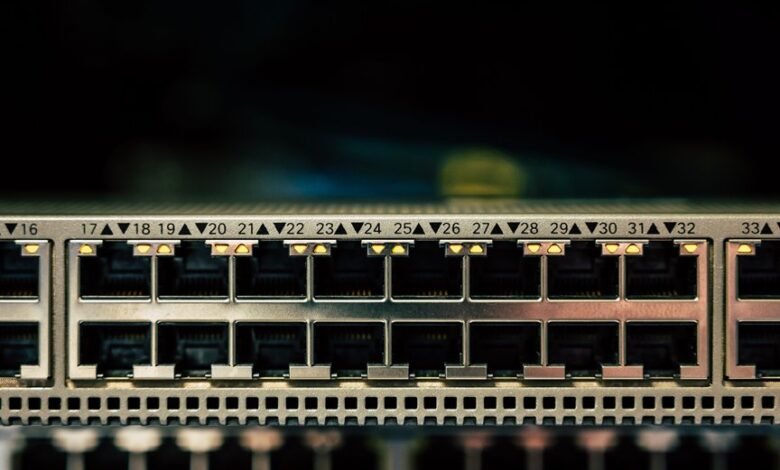
Access to the 168.10.132 router admin panel requires disciplined control and verifiable steps. The guide outlines where to access the login, what credentials to consider, and how to reset if needed, all under strict security prechecks. It emphasizes backups, checksums, and documented rollback plans before any change is applied. The approach is precise and auditable, designed to reduce risk and preserve control, yet the next step remains essential to ensure proper alignment with policies and safeguards.
How to Access the 168.10.132 Router Admin Panel
To access the 168.10.132 router admin panel, users should point a web browser to http://168.10.132 and provide valid credentials on the login page.
The process emphasizes disciplined access control, safeguarding network segmentation and maintaining firmware auditing.
A methodical approach verifies permissions, logs activity, and ensures only authorized personnel can interact with configuration settings.
What Credentials to Try and How to Reset Access
Access credentials for the 168.10.132 router admin panel should be approached with strict adherence to established access control policies.
The article outlines tested options: initial password defaults for authorized devices, cautious credential testing, and reset procedures.
When necessary, follow documented recovery steps after firmware updates, ensuring logs, backups, and device integrity are preserved.
Unauthorized attempts are prohibited; compliance is mandatory.
Quick Security Checks Before Saving Changes
Before applying any changes, conduct a concise security preflight: verify that all planned configurations align with established access control policies, confirm current firmware is up to date, and ensure the device logs will capture the modification event.
The procedure emphasizes security audits and disciplined oversight, ensuring firmware updates are vetted, changes are traceable, and risk is minimized while preserving user freedom and control.
Save, Back Up, and Verify Your Settings for a Safe Setup
A careful approach to configuration management requires securing a reliable backup before applying changes; therefore, the procedure outlines saving current settings, creating a verifiable backup, and validating the integrity of both.
The process ensures set up backups, preserves backup firmware, and enables restore defaults if needed; verify configurations through checksum, cross-checks, and documented rollback steps for a safe, freedom-supporting setup.
Frequently Asked Questions
Can I Change the Default IP Address of the Admin Panel?
Yes, changing default IP is possible; administrators can reassign the panel’s address. Ultimately, changing default IP should be performed cautiously. This process may require access control, documentation, and enabling two factor authentication for enhanced security.
How Do I Enable Two-Factor Authentication on This Router?
Two-factor authentication can be enabled by accessing the router’s admin panel, navigating to Security or Accounts, and enabling 2FA with a linked authenticator app; save settings, then test login. The procedure remains rigorous, safeguarding privacy and promoting freedom.
What to Do if the Admin Page Is Unreachable?
Like a locked door fading in shadow, the admin page is unreachable. The reviewer notes steps: how to reset router and how to bypass login, then methodically verify cables, power, and firmware before secure reaccess and logs.
Are There Known Firmware Update Risks for This Model?
Firmware update risks exist for this model, though minimal with official firmware and verified sources. Firmware security implications include potential firmware rollback, misconfiguration, and temporary downtime; users should verify signatures, back up settings, and apply updates promptly to preserve autonomy.
How to Recover a Forgotten Admin Username?
The forgotten username can be recovered by resetting the admin password, then using the new credentials to view the account, ensuring forgotten password processes are secured; admin email recovery may be required, though unrelated topics may distract from security goals.
Conclusion
In conclusion, administrators should approach the 168.10.132 router admin panel with disciplined rigor, confirming policy alignment, current firmware, and complete change controls before any modification. A concise preflight verifies access legitimacy and logging while backups are created, checksums verified, and rollback steps documented. One notable stat: organizations that implement formal change management reduce configuration errors by up to 70%. By adhering to precise procedures and traceable actions, security and availability of the network are sustained.