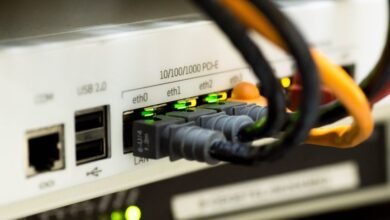
The discussion centers on 168101, a common IP typing error that disrupts data intake and packet routing. It identifies how premature or incorrect IP entries misalign schemas, inflates log noise, and yields misrouted traffic. The analysis notes typical indicators, such as length mismatches and nonstandard delimiters, and outlines concrete triage signals. It proposes validation, immutable logging, and rule-based error mapping. The implications invite a focused examination of fixes and preventive controls that follow a precise path forward.
What the 168101 IP Typing Error Actually Looks Like
The 168101 IP typing error manifests as an incorrect, prematurely entered IP address during data entry or automated configuration, leading to misrouted packets and failed connections.
In practice, the symptom is a flawed target field, prompting disruptive traffic routes.
Typo prevention and log validation are essential controls, enabling rapid detection, isolation, and remediation without impeding operational freedom.
Common Causes and How to Spot Them in Logs
Common causes of the 168101 IP typing error surfaces in logs as misconfigured data entry, auto-fill drift, or flawed parsing during ingestion. In practice, investigators note misalignment between input schemas, inconsistent field lengths, and nonstandard delimiters.
Idea one highlights validation gaps; idea two emphasizes normalization checks. The log signals are concise indicators for rapid triage and targeted remediation.
Step-by-Step Fixes to Correct Misinputs
Step-by-step fixes for misinputs start with precise identification of the erroneous data: verify field lengths, confirm delimiter conformity, and align against the input schema. The process maps error patterns to validation rules, then applies targeted corrections.
In log analysis, corroborate changes with repeated tests, documenting outcomes. This disciplined approach yields consistent inputs and reduces recurrence, supporting dependable IP typing workflows.
Preventative Practices and Quick Validation Checks
Preventative practices and quick validation checks establish lightweight safeguards to reduce misinputs before they occur.
The approach favors automated checks, immutable logs, and clear error signals, enabling rapid isolation of issues.
Misleading prompts are mitigated through explicit guidance and context validation.
Audit trails provide accountability, traceability, and reproducibility, supporting continuous improvement without imposing burden.
Properly configured thresholds balance speed with accuracy, sustaining user autonomy and system reliability.
Frequently Asked Questions
How Did This Error Originate Historically in IP Typing?
Historical origin traces to early network protocol adoption and manual entry, where typing errors propagated through misconfigured routers and registries; improper automation amplified impact. The issue persists as a cautionary example of careless human factors and systemic typing errors.
Does This Error Impact IPV4 Vs IPV6 Differently?
The IPv4 vs IPv6 impact differs; IPv4 shows higher sensitivity to mis-typing due to address space limits, while IPv6 reduces certain entry errors. IP typing error origins involve legacy notation quirks and evolving protocol representation, causing selective confusion.
Can Usernames or Hostnames Cause Similar 168101 Issues?
Yes, usernames or hostnames can trigger similar issues due to resolution or typing inaccuracies. The example centers on username typing, hostname resolution, and their impact on connection attempts, cache lookups, and potential misrouting or delay in authentication processes.
Are There Automated Tools to Detect This Across Networks?
Automated tools exist to detect IP-related issues across networks, including patterns causing IP Blocking and elevated Network Latency. They monitor traffic anomalies, log errors, and trigger alerts, enabling rapid remediation while preserving user autonomy and system performance.
What Are the Legal or Compliance Implications of This Error?
The legal implications involve data privacy and regulatory risk, triggered by misaddressed or misnamed IPs. Compliance hinges on robust automated monitoring and adherence to network naming conventions, ensuring consistent audits and reducing exposure across sensitive datasets and systems.
Conclusion
In logs, the 168101 IP typing error appears as precise yet misplaced addresses, a symptom of premature data entry. Juxtaposed against correct routing, misentries reveal schema drift and length mismatches. While automation enforces immutable logs and strict validation, human oversight may still introduce drift through autofill or parsing flaws. The tension between deliberate validation and spontaneous inputs underscores the need for deterministic rules. Corrective steps align inputs with schema, then lock processes to prevent recurrence, preserving autonomous, error-resilient taxonomy.