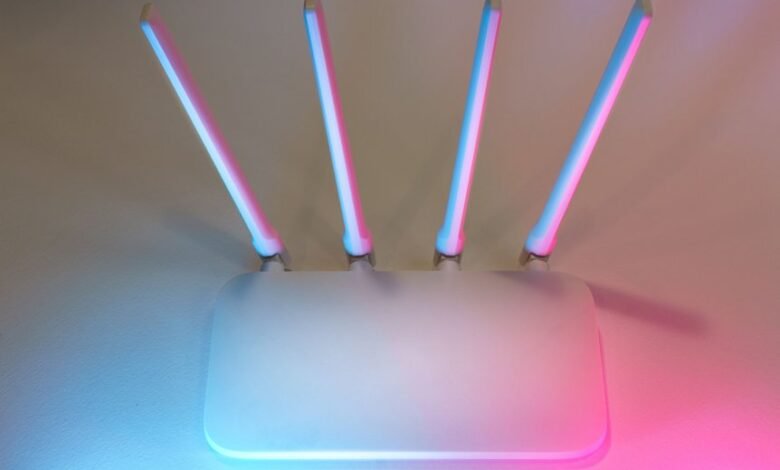
The ip192.168.18.1 router login guide outlines how to access and secure an admin interface on a local network. It covers locating the device address, authenticating with default credentials, and applying initial security hardening. The guide then transitions to practical configurations—Wi‑Fi, guest networks, parental controls, and QoS—along with routine maintenance like firmware updates. For anyone aiming a stable, protected setup, the essentials are clear, but nuances and edge cases require careful attention to detail.
What Is ip192.168.18.1 and Why It Matters
The IP address 192.168.18.1 is a private gateway used to access the administrative interface of compatible network devices, typically routers or modems, within a local area network. This designation underpins IP address security by restricting management access, preventing unauthorized configurations.
It also influences router branding, as manufacturers standardize interfaces to balance usability with secure, auditable control for empowered users.
How to Locate or Confirm Your Router’s IP Address
To locate or confirm a router’s IP address, one can examine the device’s default gateway information on connected endpoints or consult device documentation to identify the standard management interface address. The process emphasizes finding router IP via network settings or system scans. Common router access methods include checking admin panels, DHCP leases, or official guides, ensuring precise, controlled access and minimal risk.
Step-By-Step Login and Initial Security Setup
Access to the router’s admin interface follows a defined sequence: open a web browser, navigate to the router’s IP address, and enter the default credentials. The login should yield immediate access to security settings, enabling login security tweaks and unique admin passwords. Apply firmware updates, configure parental controls, establish a guest network, and implement device prioritization; consult troubleshooting tips for common access issues.
Quick Config Guide: Wi-Fi, Guests, Parental Controls, and Troubleshooting
Wi-Fi, guest networks, parental controls, and troubleshooting steps are outlined for rapid configuration after login.
This quick config guide emphasizes network security, enabling robust WPA3 where available, segmented guest access, and time-based restrictions.
It ensures device compatibility across common platforms, provides clear status indicators, and offers concise diagnostic paths for connection issues, firmware checks, and interference mitigation.
Freedom-focused precision sustains reliable performance.
Frequently Asked Questions
Can I Change the Default Router Login URL?
Yes, users can Change URL by configuring a Custom URI for router access; this does not affect Firmware updates or Guest network functionality, but requires admin access, careful planning, and awareness of potential connectivity implications.
How to Reset the Router to Factory Settings?
The router can be reset to factory settings by holding the reset button, typically 10–30 seconds, until indicators flash. This mitigates misconfiguration yet introduces security risks; afterward, perform firmware updates to restore secure defaults and functionality. Freedom-minded users should verify security risks.
Is There a Mobile App for Setup?
The answer: There is no dedicated mobile app for setup; instead, mobile access may use a web interface. For setup tips, use desktop or browser-based login; nope, direct app-based configuration is not provided, ensuring independent control and freedom.
How to Backup and Restore Router Config?
Backups of the router configuration should be created via the administration interface, then stored securely; to restore settings, upload the backup file after a power cycle. Perform firmware update prior to backups to ensure compatibility.
What to Do if Login Page Won’T Load?
When the login page won’t load, first confirm connectivity and try a wired connection. Then pursue troubleshooting login steps, check for router firmware update, and reset if necessary while preserving critical configurations.
Conclusion
In essence, ip192.168.18.1 proves wonderfully mysterious: a gateway to control, yet equally likely to misplace your own passwords. The router’s page gleams with security options, but the user—armed with nothing more than a default credential—fumbles into fame. Firmware updates, WPA3, and QoS promise order, though the real triumph remains the uncanny ability to forget that the configuration is, in fact, yours to manage. Ironically, order resides where you diligently click “Save,” not in the ether of careless defaults.