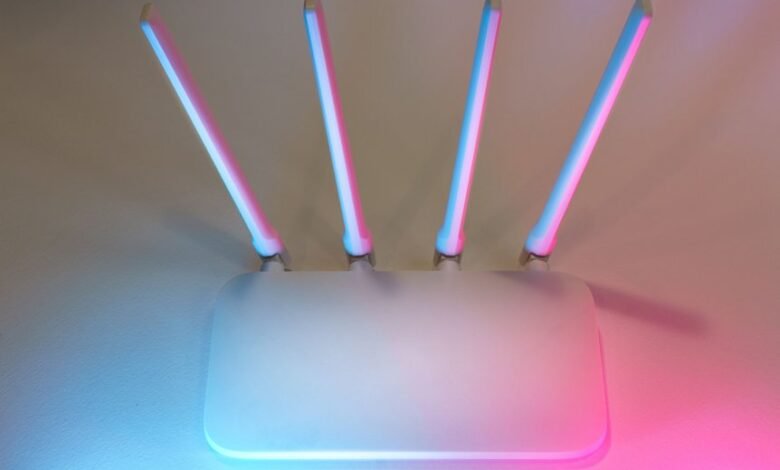
The term 192168681 highlights a common misformat for IP addresses and underscores the need for correct dotted-decimal notation. A proper private network address falls within ranges such as 192.168.0.0/16, using four octets of 0–255. This discussion outlines exact formatting, stepwise router login procedures, and practical security checks. It presents a structured approach to access, troubleshoot, and harden access points, leaving a clear nexus of questions that invites careful follow-up.
What 192.168.681 Means for Private Networks
The sequence 192.168.681 is not a valid private IPv4 address. In practice, it highlights an invalid private range and clarifies address space boundaries within local networks.
Operators assess such values to prevent misrouting, conflict, and security exposure. System logs flag anomalies; unused subnet definitions remain reserved until properly allocated.
Correct addressing ensures predictable routing, configuration consistency, and network stability.
How to Format IP Addresses Correctly
Formatting IP addresses correctly requires adherence to standard notations and value ranges. The process emphasizes conceptual formatting and private addressing boundaries, ensuring octets stay within 0–255 and the 0.0.0.0/8, 10.0.0.0/8, 172.16–31.0.0/12, and 192.168.0.0/16 ranges are respected. Verify dotted-decimal syntax, avoid leading zeros, and maintain consistency across interfaces for reliable network segmentation and future scalability.
Step-by-Step Router Login: Accessing the Admin Page
Accessing the router’s admin page requires the correct device address and authentication steps established from proper IP formatting. The procedure begins with entering the gateway address in a browser, followed by credential input. Upon successful login, navigate to settings cautiously. For network security, enable strong passwords and update firmware. This supports robust router management while preserving user autonomy and freedom.
Troubleshooting Common Login Problems and Security Tips
Common login problems often stem from incorrect IP entry, outdated credentials, or network conflicts; diagnosing these issues requires a systematic approach.
The procedure emphasizes verified device authentication, robust credential management, and controlled access policies.
Maintain network confidentiality by enabling strong encryption, updating firmware, and auditing login attempts.
Document findings, apply resets when necessary, and enforce least-privilege access to minimize exposure and risk.
Frequently Asked Questions
How to Distinguish 192.168.681 From 192.168.0.X?
Distinguishing private addressing: 192.168.681 is invalid due to octet range limits; 192.168.0.x is valid for private networks. The method requires checking each octet, applying subnet rules, and following router login etiquette while documenting findings for freedom-oriented configurations.
Can 192.168.681 Be Routed Publicly?
About 15% of outages involve misrouted private addresses. 192.168.681 cannot be routed publicly due to private address space rules; IP routing basics enforce that private addresses are non-routable on the public Internet. Distinguishing private vs public addresses remains essential.
Do Firewalls Block 192.168.X.X Addresses?
Yes, firewalls commonly block private IP addresses (192.168.x.x) from public routing. The operating principle is strict private IP routing, prohibiting exposure and enforcing policy boundaries to maintain security and controlled access.
Are There Devices That Auto-Correct IP Formatting?
An allegory-like cadence guides the answer: yes, some devices auto-correct IP formatting, but algorithms may obscure errors. They address IP formatting quirks, yet risk bypassing router login security through implicit normalization and silent, misleading corrections.
What Are Consequences of Using Invalid Private IPS?
Invalid private IP usage can cause network misconfigurations, including address conflicts, routing failures, duplicate ARP entries, and unreachable subnets; as a result, services degrade, security boundaries blur, and troubleshooting becomes time-consuming for administrators seeking autonomy.
Conclusion
Mistyped addresses like 192.168.681 resemble a broken lock: the numbers don’t fit the standard keypad, so entry fails. In a typical home network, a correct gateway such as 192.168.0.1 or 192.168.1.1 opens the door to the admin page, where strong credentials and updated firmware guard access. A single failed login attempt is a stray alarm; monitor and log such events. Properly formatted IPs and disciplined access keep the network secure, reliable, and auditable.