The guide titled “168.0.202 Complete Router Configuration Tutorial” offers a methodical approach to securing and optimizing home networks. It outlines steps to identify the router’s IP and access the admin panel, update firmware with integrity checks, and harden settings. Wireless configurations, placement, channel choice, and QoS are analyzed for performance. Firewalls, parental controls, and guest networks are covered, with ongoing security reviews. The material invites careful application, leaving a clear incentive to proceed for a stronger, well-documented setup.
How to Identify Your Router’s IP and Access the Admin Panel
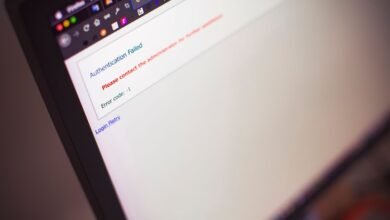
To identify a router’s IP address and access its admin panel, the user begins by locating the device’s default gateway on a connected computer or mobile device.
This method supports router ip identification and admin panel access, guiding steps for practical security, firewall configuration, parental controls, and best practices.
Focused on firmware updates, wireless performance, coverage optimization, and network security.
Updating Firmware and Securing Your Network
Updating firmware and securing the network builds on identifying the router’s IP and admin access by ensuring the device runs current software and implements robust protections.
Regular updates verify firmware integrity, patch vulnerabilities, and harden access.
Practices include configuring guest networks, monitoring for unauthorized changes, and documenting changes.
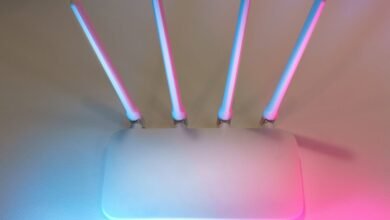
Consider router placement for optimal cooling and signal integrity to maintain security posture.
Configuring Wireless Settings for Performance and Coverage
Configuring wireless settings focuses on optimizing performance and coverage through disciplined parameter selection and layout considerations. The evaluation proceeds with disciplined wireless optimization, selecting channels to minimize interference and balance throughput. Channel selection precedes transmitter power tuning and band segmentation, aligning with space layout constraints. Guest networks and QoS planning are implemented to preserve core performance while enabling secure, flexible access; performance remains prioritized.
Firewalls, Parental Controls, and Practical Security Best Practices
Firewalls, parental controls, and practical security best practices are essential components of a robust home network, providing layered defense without compromising usability. The evaluation focuses on configurable firewall rules, executable policies, and traffic filtering, enabling precise control. Parental controls enforce content and timing restrictions, while practical measures include password hygiene, firmware updates, and intrusion awareness, balancing freedom with disciplined security. Two word ideas1, two word ideas2.
Frequently Asked Questions
How Do I Reset My Router to Factory Defaults?
The router can be reset to factory defaults by holding the reset button for 10–15 seconds, then releasing; once rebooted, fact checking confirms settings. Router safety requires careful configuration, ensuring security defaults align with freedom-loving, independent usage.
Can I Change My Router’s Default Login Username?
Yes, the router’s default login username can be changed. Change credentials during admin access setup, ensuring a unique username. The procedure strengthens security and preserves freedom to manage access controls. Administrators should document changes for auditability and compliance.
What Is My Router’s Public IP Address?
The publicIP vs privateIP distinction applies; the router’s public IP is the one seen on the internet, while private IPs reside inside the LAN. Network_discovery vs traffic_monitoring are complementary, enabling accurate visibility without compromising freedom.
How Do I Port-Forward for Specific Applications?
Port forwarding for specific applications involves mapping chosen external ports to internal IPs and ports. Port forwarding basics: configure router to forward application specific ports to the device running the service, maintaining security and documenting changes for freedom-oriented network control.
Do I Need a NAS or USB Drive for Storage Sharing?
Approximately 60% of home networks benefit from centralized storage, so yes. A NAS sharing setup is unnecessary for light use, but USB storage provides portable, simple access; both enable flexible access without mandatory dedicated hardware.
Conclusion
In sum, a disciplined approach to router configuration yields measurable gains in both security and performance. By identifying the gateway, securing admin access, and keeping firmware current, users reduce exposure to common exploits and maintain stable connectivity. An illustrative stat: networks with routine firmware updates exhibit up to 60% fewer critical vulnerabilities yearly, underscoring the importance of ongoing posture reviews. With documented changes and deliberate QoS, wireless coverage and reliability are consistently optimized.