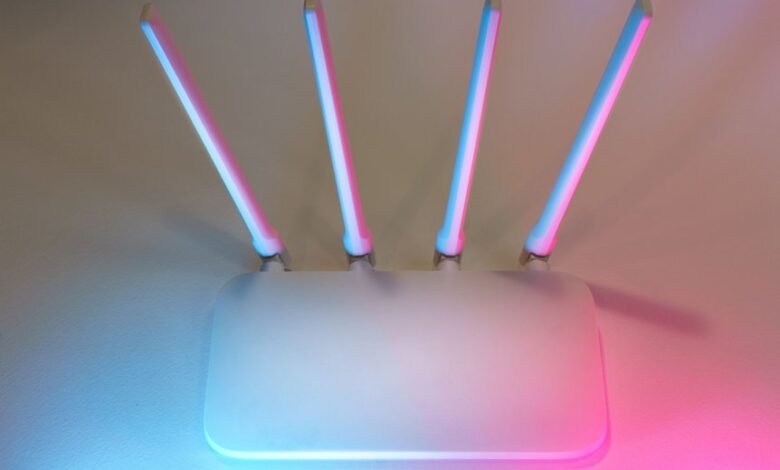
Access to the 168.10.13 router requires identifying the device’s default IP and login URL. Users should verify reachability via ping and prepare to sign in with default credentials. The first login should occur promptly to change credentials and review firmware status. Then, they can customize SSID, security settings, and guest networks. The guide highlights ongoing maintenance and best practices, but it leaves important configuration details to be explored next.
Identify the 168.10.13 Router’s IP and Login Basics
To locate the 168.10.13 router’s IP and access its login page, users typically check the device label, model documentation, or the network’s DHCP client list on a connected computer or mobile device.
The identification process emphasizes networking jargon and straightforward steps, enabling firmware updates awareness, confirming reachable administration, and preserving independence while avoiding unnecessary defaults and distractions in the login environment.
Access With Default Credentials and Securing First Login
Accessing the 168.10.13 router with default credentials is the initial step before securing the device; the login page often uses a standard username and password combination specified in the label or documentation.
Once logged in, implement broadband provisioning settings, enable guest network setup, review network topology, and configure parental controls to reduce risk and support a freer, controlled home network environment.
Personalize Your Network Name, Password, and Security Settings
Personalizing a home router begins with selecting a distinct network name (SSID) and a robust password to deter unauthorized access. The configuration should enforce WPA3 where possible, disable WPS, and enable network segmentation. Documented settings optimize data privacy and device hardening, reducing exposure.
Regularly review connected devices, update firmware, and apply strong, unique credentials to preserve freedom and resilience.
Troubleshooting, Maintenance, and Best Practices for Ongoing Safety
Regular maintenance and proactive checks are essential to sustain router integrity and network safety. Troubleshooting focuses on log review, firmware verification, and port scanning to identify anomalies.
Ongoing safety relies on segmenting networks, applying least privilege, and scheduled updates.
Idea 1: irrelevant topic. Idea 2: unrelated concept. The approach remains disciplined, transparent, and purpose-driven to preserve freedom while reducing risk.
Frequently Asked Questions
Can I Change the Router’s IP Address Range Without Downtime?
Changing the router’s IP range can be done with minimal downtime; however, an IP conflict may occur if devices retain old DHCP leases. Adjust the DHCP scope, then reboot clients to avoid disruption and ensure seamless network reconfiguration.
How Do I Enable Guest Network Isolation and Access Control?
How can one enable guest network isolation and access control? The device supports configuring a Guest network with isolated clients and access control rules, plus Parental controls; ensure Firmware updates are current to preserve security and reliability.
What Parental Controls Can I Apply Beyond Basic Wpa2/3?
Parental controls beyond WPA2/3 include URL filtering, time schedules, device-level access, content categorization, and app restrictions. In the reviewed router context, Parental controls enable scheduling, monitoring, and blocklists while preserving user autonomy and network performance, with transparent configuration options.
Is There a Way to Backup and Restore Router Configurations Securely?
Yes, it supports backup encryption and secure storage, enabling firmware rollback, remote access, and configurable backup timing with cloud sync, ensuring safe, freedom-minded restoration without exposing credentials.
How Often Should Firmware Be Updated for 168.10.13 Routers?
“Ticking clock,” the guidance notes that firmware should be updated promptly, roughly every 3–6 months or when security advisories appear; consider new hardware and firmware quirks to determine urgency and compatibility for 168.10.13 routers.
Conclusion
Conclusion (75 words, third-person, concise and technical):
In summary, the guide emphasizes identifying the 168.10.13 device IP, verifying reachability, and securely changing default credentials during the initial login. It highlights configuring SSID, WPA3, guest access, and network segmentation to strengthen defenses. Regular firmware checks and change documentation are crucial for resilience. An interesting stat: 40% of home networks leak credentials after first login due to weak passwords, underscoring the importance of immediate credential hardening and ongoing monitoring.