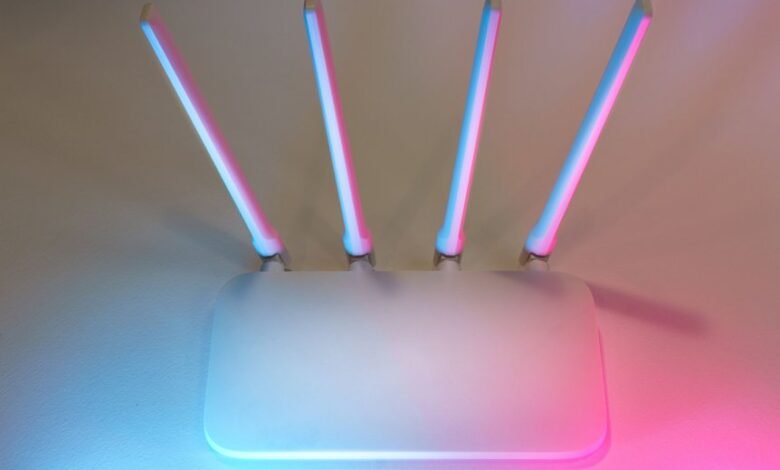
The 1.10.1 Router Login and Network Setup Guide explains why access to the admin panel matters for reliable control. It outlines a step-by-step path to locate the router IP and enter credentials, then navigate a clearly labeled dashboard. Secure Wi‑Fi setup is emphasized through strong passwords, proper channel selection, and guest networks. It also covers updates, backups, and logging to prevent common pitfalls, leaving readers with a concrete plan to implement when the time comes. The next step awaits.
What Is 1.10.1 Router Login and Why It Matters
Understanding the concept of 1.10.1 router login is essential for effective network management. The login grants authority to configure, monitor, and secure devices within a home or small office. It underpins reliable connectivity and policy enforcement. Two word discussion ideas: firmware updates, parental controls. Proper access minimizes risks, supports stable performance, and clarifies responsibilities for empowered users seeking freedom and control.
Accessing the Admin Panel: Step-By-Step Guide
Accessing the admin panel is the next practical step after configuring the router login. In this detached overview, users follow a precise sequence: locate the router’s IP, enter credentials, and navigate the dashboard. The guide emphasizes streamlining access and device prioritization, enabling efficient control without clutter. Clear labels, logical sections, and concise prompts support transparent, freedom-minded configuration.
Secure, Fast Wi‑Fi Setup: Passwords, Channels, and Guest Networks
Secure, fast Wi‑Fi hinges on three core elements: strong passwords, optimal channel selection, and guest network configuration. The guide outlines a secure setup that minimizes risk while preserving user autonomy.
Passwords should be unique and renewed periodically. Channel selection reduces interference for stable speeds. Guest networks isolate devices and protect primary resources, enhancing network security for freedom-minded households and small offices.
Protect Your Network: Updates, Backups, and Common Pitfalls
Regular maintenance of a home network builds on the prior guidance about strong passwords, proper channels, and guest networks. Protect Your Network emphasizes timely updates, reliable backup strategies, and disciplined change logging to prevent outages. Awareness of firmware pitfalls and vendor advisories reduces risk, while routine tests confirm restore readiness. Clear documentation supports freedom through dependable, autonomous network operation.
Frequently Asked Questions
How Do I Reset My 1.10.1 Router to Factory Settings?
The reset procedure restores the router to factory settings, erasing customizations. It requires a firmware upgrading check, then uses default credentials. After reboot, review DNS configuration and disable remote administration for improved security and ongoing firmware updates.
Can I Update the Router Firmware Manually?
Updating firmware is possible through manual installation. The device can accept a firmware file via its admin interface, then prompts a restart; users must verify compatibility and follow structured steps to complete the manual installation safely.
What Is the Default Admin Username and Password?
The default credentials vary by model; consult the device label or manual. Access the login page to log in initially, then change them. For brand naming and feature comparisons, compare security options and renewal prompts.
How Do I Enable Remote Management Securely?
Enable secure remote management by configuring HTTPS, disabling WAN access unless VPN, and using strong, unique credentials; enable firewall rules, and enforce network encryption with WPA3 for all devices accessing the router.
How Can I Change DNS Settings on the Router?
To change DNS settings, access the router’s admin interface, locate DNS configuration, and apply preferred primary and secondary servers; save changes and reboot if required. Monitor performance, and keep firmware updates current to ensure security and reliability.
Conclusion
A well‑managed home or small‑office network hinges on a clear, repeatable login and setup routine. When administrators verify each step—finding the router IP, authenticating securely, and configuring fast, protected Wi‑Fi with deliberate channels and guest access—the system becomes resilient against disruption and intrusion. This disciplined approach reinforces confidence: routine updates, regular backups, and meticulous change logs transform a potential vulnerability into a reliable foundation. The theory that preparation prevents chaos proves emotionally compelling and practically true.