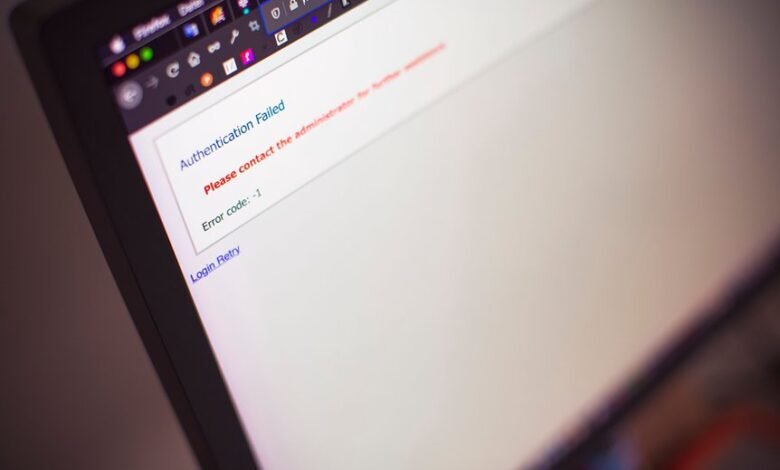
The issue centers on 90.150.284, an invalid IPv4 address that cannot route or authenticate on standard networks. This prompts login blocks and misconfigurations in DHCP or static setups. Professionals should verify address validity, inspect subnet and gateway settings, and audit firewall rules. A careful remediation plan is needed, with documented outcomes and cautious access retries. The stakes rise with misrouting or improper authentication, so the next steps demand precise checks and controlled tests to prevent repeated blocks.
What Invalid IP Address Really Means for You
Invalid IP addresses occur when a value does not conform to the standard IPv4 or IPv6 format, preventing devices from identifying or communicating on a network. The result is restricted access or login blocks, as authentication systems rely on correct addressing.
Tracking data reveal inconsistent sessions, while firewall rules enforce refusal of malformed traffic, guiding administrators toward concise remediation steps and freedom-enabled configuration.
Common Causes of IP Address Errors During Login
Common IP address errors during login often stem from misconfigurations or environmental changes that disrupt proper device addressing. Network drift, DHCP scope exhaustion, and cached credentials contribute to failures. Outdated network settings can mismatch gateway or DNS, while device specific blocks restrict access. Verify subnets, reset adapters, renew DHCP, and clear stale profiles to restore connectivity without altering security posture.
Step-by-Step Checks to Recover Access Quickly
Step-by-step checks to recover access quickly involve a focused sequence of validations and corrective actions that isolate the root cause of login failures.
The process assesses invalid IP signals, confirms IP validation status, and detects login blocks.
It then executes targeted remediation steps, documents outcomes, and proceeds with controlled retry attempts to achieve reliable access recovery.
How to Prevent Future IP-Related Login Blocks
Proactively mitigating IP-related login blocks requires a structured approach that blends network hygiene with account security controls.
Implement strict firewall rules and IP reputation checks to restrict invalid IP activity while permitting legitimate traffic.
Enforce multi-factor authentication, monitor unusual access patterns, and maintain clear access recovery procedures.
Documented response playbooks minimize false positives, reducing login blocks without compromising network security or user freedom.
Frequently Asked Questions
Can a VPN Cause an Invalid IP Address Error?
VPNs can cause an invalid IP address error. The notice often stems from IP allocation issues within VPN servers or conflicts with local routing. Troubleshoot by checking VPN settings, reassigning IPs, and ensuring proper IP allocation and DNS handling.
Does Me Being on a Corporate Network Affect Login Blocks?
Lockdown signals in corporate networks can trigger login blocks; corporate networks and VPN impacts both matter. With policy checks and device posture, a VPN may influence authentication. Maintain compliant configs, multi-factor authentication, and clear access rules for freedom.
Will Clearing Browser Cache Fix IP Address Issues?
Clearing cache may aid symptoms by refreshing local data, but it does not resolve IP caching or corporate network blocks. VPN interference and corporate network blocks require legitimate IT review; consider policy-compliant network routing or authorized VPN changes.
Do Invalid IPS Affect Mobile Login Differently?
Invalid IPs can influence mobile login similarly, but network behavior and device handling may magnify issues; the difference lies in carrier routing and app constraints. This invalid IP discussion highlights consistent login issues across platforms with actionable steps.
How Long Do IP Blocks Typically Last After Login Fails?
IP blocks typically last minutes to hours, depending on policy; Login duration may be extended for repeated failures. VPN impact and corporate networks influence timing. Advise cache clearing and testing from Mobilе login to verify access.
Conclusion
Invalid IPs derail authentication and access, underscoring the need for strict validation, clear subnetting, and disciplined remediation. Quickly verify octet ranges, correct misconfigurations, and align DHCP/static settings with proper gateways. Maintain logs, apply firewall and recovery playbooks, and document outcomes for audits. For a visual cue, imagine a vintage dial-up modem clattering to announce success only after the IP tabs align—an anachronistic reminder that precision today prevents downtime tomorrow.