The demand for endless pools swim spas continues to surge as homeowners seek compact, year-round aquatic fitness solutions. Yet the gap between a flawless installation and a costly callback often comes down to avoidable mistakes made during setup. Improper electrical connections, misaligned swim jet systems, and overlooked site conditions rank among the most frequent errors that compromise both safety and long-term performance. For electricians and contractors handling these installations, the margin for error is slim—code violations risk liability, while poor execution damages professional reputation.
This guide delivers actionable steps to sidestep the most common pitfalls encountered during endless pools swim spa installations. From electrical work and plumbing integration to swim jet positioning and feature configuration, each section targets the specific challenges contractors face on-site. You’ll also find clear guidance on conducting effective customer walkthroughs, ensuring homeowners understand their system from day one. Whether you’re completing your first swim spa project or refining an established process, these insights will help you deliver installations that perform reliably and keep clients satisfied.
Comprehensive Pre-Installation Assessment and Planning
Every successful endless pools swim spa installation begins well before equipment arrives on-site. A thorough pre-installation assessment prevents the cascade of problems that force expensive rework and erode client trust. Start by confirming the delivery path and final placement area meet minimum clearance requirements—access for future maintenance panels is frequently overlooked until it’s too late. Evaluate the foundation carefully; a swim spa filled with water exerts substantial load per square foot, and an inadequately reinforced concrete pad or improperly compacted gravel base will settle unevenly, stressing the shell and voiding warranties.
Verify utility access early. Electrical service panels must have capacity for dedicated circuits, and water supply lines need adequate pressure and proximity. Drainage planning is equally critical—determine where overflow and maintenance drain water will route without violating local stormwater codes. Speaking of codes, pull permits before breaking ground. Jurisdictions vary widely on setback requirements, barrier fencing, and bonding regulations for an endless pools swim spa installation. Discovering a permit issue mid-project halts progress and frustrates homeowners. Document every site condition with photos and measurements during your initial visit, then build your installation timeline around confirmed inspections. This disciplined planning phase eliminates the surprises that turn straightforward projects into liability headaches.
See also: How to Score High in Science and Technology Current Affairs Section for Competitive Exams
Electrical and Plumbing Setup: Avoiding Critical Errors
Electrical Safety and Code Compliance
Electrical mistakes during an endless pools swim spa installation carry the highest liability risk. The most common error is undersizing the dedicated circuit—these units demand specific amperage that standard household circuits cannot support, and sharing a circuit with other loads triggers nuisance tripping or overheats wiring. Always verify the manufacturer’s electrical specifications and match wire gauge accordingly. Install a GFCI breaker at the panel rather than relying solely on a receptacle-level device, as this provides upstream protection for the entire circuit. Grounding and bonding must extend to all metal components within the equipment area, including handrails, light fixtures, and the spa frame itself, per NEC Article 680 requirements. Contractors who skip the bonding grid or fail to connect equipotential bonding lugs create shock hazards that inspectors will flag immediately. Engaging qualified installation services for the electrical scope ensures code compliance and protects both the homeowner and your license.
Plumbing Integration and Leak Prevention
On the plumbing side, the most frequent failures stem from mismatched pipe diameters and poorly supported connections. Use the exact pipe sizing specified by the manufacturer—reducing diameter to save material restricts flow and starves the jet pump, causing cavitation and premature wear. Secure all fittings with appropriate primer and solvent cement for rigid PVC, and allow full cure time before pressurizing. Support horizontal runs every four feet to prevent sag that traps air and creates hammer. Before filling the spa, conduct a static pressure test at 20 PSI for a minimum of two hours, checking every joint and union for drops. Address any loss immediately—a slow drip behind an access panel becomes a major structural issue within months. Proper plumbing execution during initial setup eliminates the callbacks that consume profit margins.
Installing the Pool Swim Jet System Correctly
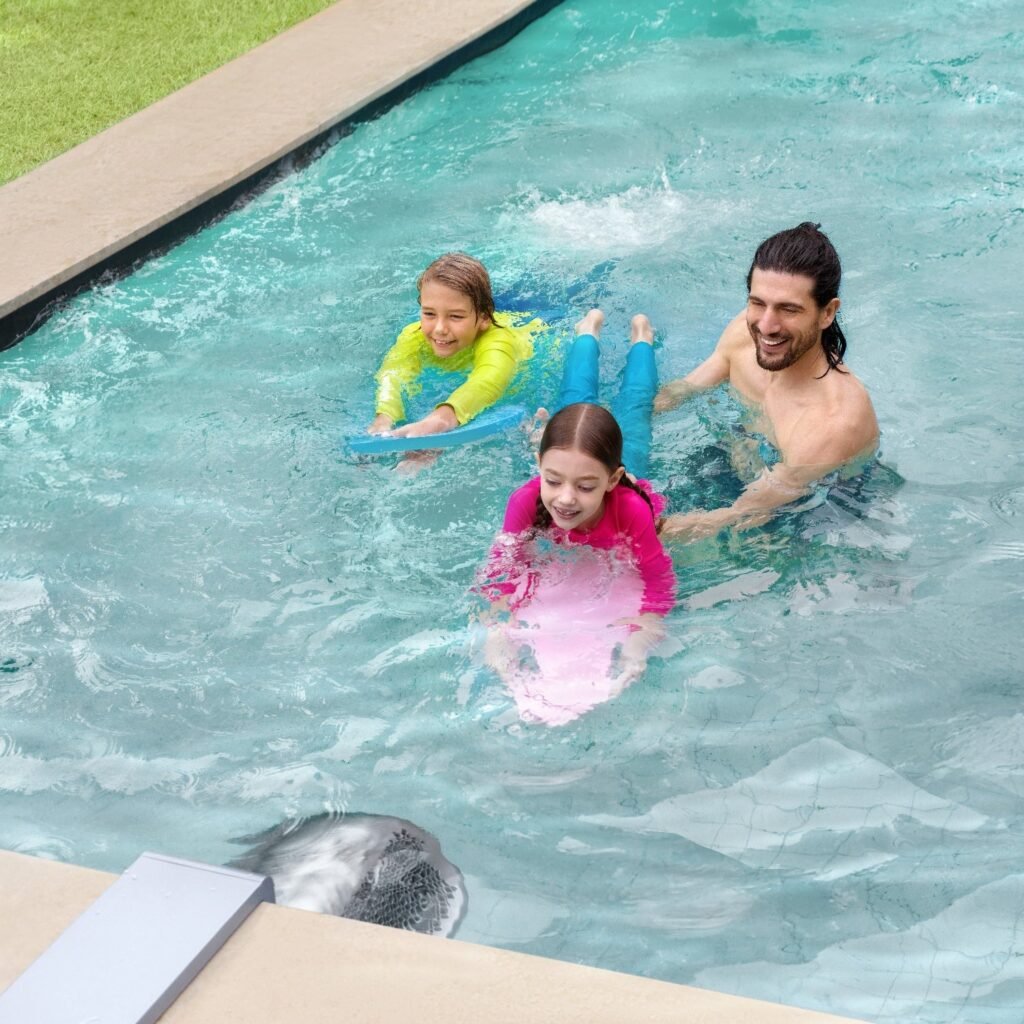
The pool swim jet is the heart of any endless pools swim spa, and its installation demands precision that goes beyond simply bolting components into place. Misalignment errors account for a significant portion of post-installation complaints—when jets aren’t positioned at the correct height and angle relative to the water surface, swimmers experience turbulent, uneven current that makes sustained swimming uncomfortable or impossible. The result is a dissatisfied customer who questions the entire investment.
Begin by confirming the jet assembly mounting position against the manufacturer’s specifications. The vertical centerline of the pool swim jet should sit at a depth that delivers current to the swimmer’s torso, not their legs or face. Even a two-inch deviation creates noticeable flow disruption. Secure the jet housing to the spa wall using all designated mounting points—contractors sometimes skip fasteners to speed installation, but this allows vibration-induced shifting over time that degrades current quality and stresses plumbing connections.
Next, verify the pump-to-jet plumbing path maintains consistent diameter without unnecessary elbows or restrictions. Each 90-degree fitting reduces effective flow, and stacking multiple turns between the pump discharge and jet inlet starves the system of volume. Where direction changes are unavoidable, use sweep elbows rather than sharp fittings. Connect the pump output using flexible couplings at both ends to isolate vibration and accommodate minor thermal expansion without cracking rigid joints.
Once connections are complete, fill the spa and run the jet system at low speed first, bleeding any trapped air through service valves. Air pockets in the line cause sputtering output and can damage pump seals. Gradually increase speed while observing the current pattern from the swimmer’s position. The flow should present as a smooth, laminar sheet across the swimming lane width. If you notice vortexing or dead spots, check for obstructions at the jet face, confirm the intake grate is clear, and verify pump RPM matches the specified operating range. Document final jet position measurements and pump readings in your installation report—this baseline data proves invaluable for troubleshooting any future performance concerns and demonstrates the professional rigor that distinguishes quality installation services from rushed competitors.
Leveraging Key Product Features: Auto Shut-Off and More
Understanding built-in product features isn’t optional for contractors—it’s essential for delivering complete installation services that prevent callbacks and protect homeowners. The auto shut-off feature ranks as the most misunderstood system element during setup. This safety mechanism cuts power to the heating and jet systems when water levels drop below a threshold or when operating temperatures exceed safe limits. Contractors who fail to verify the auto shut-off feature triggers correctly during commissioning leave homeowners vulnerable to equipment damage from dry-fire conditions or overheating scenarios that could have been caught on day one. Test this function by simulating low-water conditions and confirming the system responds within the specified timeframe before signing off on any installation.
Beyond safety shutoffs, adjustable current settings require proper calibration during initial setup. Walk through each speed setting and confirm the control interface responds accurately—mismatched control signals and actual pump output frustrate users who expect precise resistance levels for their training routines. Many homeowners now integrate their swim spa controls with smart home platforms like iGarden to monitor temperature, filtration cycles, and energy usage remotely. Maintenance modes, including filtration cycles and chemical dosing schedules, should be programmed according to the homeowner’s anticipated usage patterns rather than left at factory defaults. Demonstrating these features during the final walkthrough transforms a basic installation into a value-added service that builds referral business. When contractors take time to integrate and explain every programmable function, homeowners feel confident operating their system independently, which dramatically reduces nuisance service calls in the first ninety days.
Providing Effective Installation Services and Customer Guidance
The final phase of professional installation services extends beyond tightening the last fitting—it requires a structured quick lesson that empowers homeowners to operate their system confidently. Walk the customer through powering the unit on and off, adjusting jet speed for different swimmers, and setting filtration schedules using the control panel. Cover essential safety protocols: never entering the spa with a damaged cover interlock, keeping the equipment compartment locked when children are present, and recognizing warning indicators on the display. Transition into routine maintenance by demonstrating water testing procedures, explaining chemical balance targets, and showing how to access and clean filter cartridges without disrupting plumbing connections. Finally, address the three most common issues homeowners encounter—GFCI trips after storms, air locks following water changes, and error codes related to flow sensors—providing simple reset steps they can attempt before calling for service. Document this guidance in a printed handout alongside your contact information, turning a completed project into an ongoing professional relationship built on trust and accessible expertise.
Build Your Reputation Through Error-Free Swim Spa Installations
A successful endless pools swim spa installation hinges on disciplined execution across every phase of the project. Skipping the pre-installation assessment invites foundation failures and permit violations that halt progress. Undersized electrical circuits and unbonded metal components create genuine safety hazards, while improper pipe sizing and unsupported plumbing runs guarantee callbacks within months. The pool swim jet—the feature homeowners purchased the system for—must be aligned precisely and connected without flow restrictions, or the swimming experience falls short of expectations. Overlooking built-in protections like the auto shut-off feature during commissioning leaves equipment vulnerable to preventable damage, and walking away without a thorough customer walkthrough generates unnecessary service calls that erode your margins.
Each of these mistakes is avoidable through preparation, attention to manufacturer specifications, and a commitment to completing every step rather than cutting corners under schedule pressure. Contractors who invest time in proper planning, code-compliant electrical and plumbing work, precise jet installation, feature verification, and structured homeowner education consistently deliver installations that perform for years without issue. Apply these principles to your next project—your reputation, your client’s satisfaction, and your bottom line all depend on getting it right the first time.