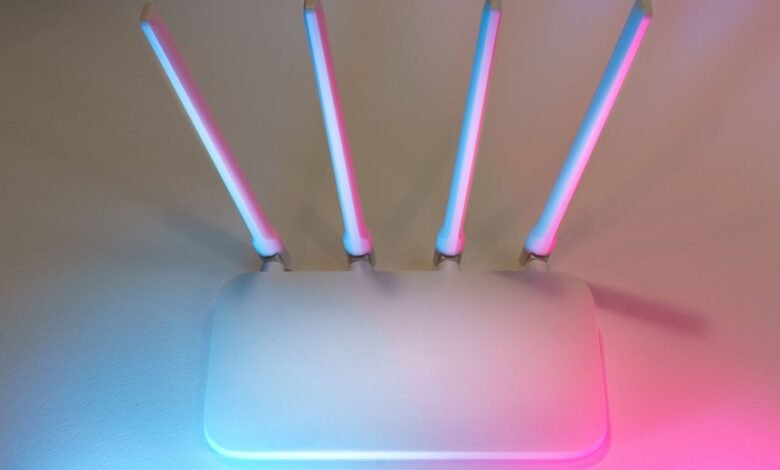
Accessing the router’s admin page at 168.1.28 requires a stable, low-latency connection and a compatible browser. If credentials are unknown, try the default manufacturer login or previously set administrator access, with a reset via the hardware button or web interface if necessary. Once in, critical steps include disabling remote access, restricting guest exposure, implementing tiered access, and maintaining firmware updates with verification. The implications of these choices shape the device’s security posture and future management challenges.
How to Reach the 168.1.28 Admin Login Page
To reach the 168.1.28 admin login page, access a web browser and navigate to http://168.1.28 or https://168.1.28.
The page loads with minimal latency when compatibility standards are met.
Network latency should remain low, and device compatibility verified, ensuring secure, direct access.
Any deviations may indicate routing or compatibility issues requiring standardizes, compliant device configurations.
What Credentials to Use and How to Reset Them
Access credentials for the 168.1.28 admin login page are typically the default username and password configured by the router manufacturer, or the ones set by the network administrator. If lost, reset via a physical reset button or web interface, then reconfigure.
After login, consider disabling remote access and restricting guest network exposure to safeguard control.
Essential Security and Firmware Steps for Router Health
After configuring login credentials, attention shifts to maintaining router integrity through structured security and firmware practices. A disciplined approach includes regular security audits, tiered access controls, and log monitoring to detect anomalies.
Firmware update cycles should be documented, tested, and applied promptly to address vulnerabilities.
Continuous baseline configuration reviews preserve resilience, minimize risk exposure, and empower users with secure, autonomous network management.
Troubleshooting Common Login and Connectivity Issues
Common login and connectivity issues typically arise from misconfigured network settings, weak credentials, or firmware incompatibilities. The guide pursues systematic troubleshooting by isolating causes: verify IP schemes, reset credentials, and confirm firmware integrity. A disciplined approach emphasizes privacy best practices, secure local access, and minimal data exposure. Operators should document changes, test connectivity incrementally, and preserve network freedom while maintaining robust security controls.
Frequently Asked Questions
How Can I Access 168.1.28 Login From Mobile?
Mobile access is possible by connecting to the router’s local network and entering the router login interface via its IP (commonly 168.1.28) in a mobile browser, then providing credentials to gain administrative control.
What if I Forget the Admin Password Again?
Forgot password. The user notes coincidence with prior attempts; a factory reset is usually required to regain access. The administrator should perform reset, then reconfigure credentials, ensuring a strong password and updated recovery options to prevent recurrence.
Can I Enable Two-Factor Authentication on Login?
Yes, two-factor authentication can be enabled on login, though options vary by device; it often requires enabling 2FA in firmware settings, configuring trusted devices, and establishing a secure backup method. This supports two factor security with device trust.
Does VLAN Setup Affect Login Accessibility?
VLAN impact exists: proper segmentation can restrict admin interfaces, potentially reducing login accessibility if misconfigured. When correctly implemented, VLANs preserve access while enhancing security, ensuring targeted management paths remain available to authorized devices and negating unintended connectivity blocks.
Are There Safety Tips for Factory Resets?
Factory resets should be performed with caution; safe reset practices are essential. The review emphasizes factory safety, device power stability, and secure backup; follow manufacturer instructions, disconnect nonessential peripherals, and verify post-reset configuration to maintain robust security.
Conclusion
Concluding, accessing 168.1.28 requires a direct browser connection and valid admin credentials, with default logins often documented by manufacturers and reset options via hardware or web interfaces. After login, disable remote admin, segment access, monitor logs, and keep firmware current to minimize attack surface. An instructive stat: up to 60% of breaches involve compromised or weak credentials, underscoring the importance of strong, rotated passwords and timely updates for router health and autonomous network lifecycle.