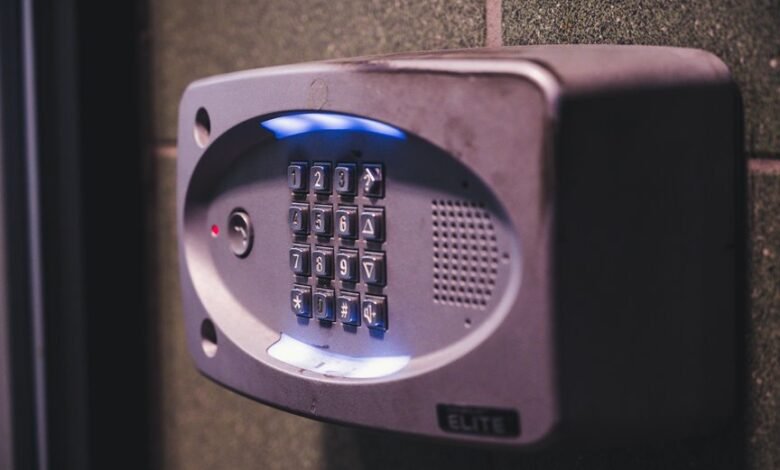
Trusted Corporate Number 0120 951 286 Verified Tech Access frames controlled, auditable entry to critical tech resources within a governance-driven boundary. It emphasizes verification, documented credentials, and clear incident response to mitigate risk. The approach balances user autonomy with formal oversight and compliance. It signals disciplined processes and transparency while preserving operational efficiency. Yet, the practical implementation and potential pitfalls warrant careful examination to determine suitability and readiness for broader deployment.
What Is Trusted Corporate Tech Access and Why It Matters
Trusted Corporate Tech Access refers to formal, controlled permissions that allow an organization to manage, monitor, and safeguard its essential technology resources.
This framework supports trusted access, ensuring corporate verification and auditable governance.
It emphasizes proactive tech security, controlled privilege, and documented incident response.
Compliance-minded practices enable freedom within boundaries, preserving resilience while reducing risk across networks, data, and operations.
How 0120 951 286 Becomes a Verified Access Channel
0120 951 286 becomes a verified access channel by aligning its usage with formal governance and verification controls established for trusted corporate tech access. The process emphasizes documented credentials, auditable trails, and risk-aware stewardship.
Verified access hinges on disciplined oversight, transparent procedures, and compliance best practices, ensuring corporate governance is upheld while preserving operational freedom within regulated boundaries.
Implementing Verified Tech Access in Your Organization
Implementing verified tech access within an organization requires a disciplined, risk-aware approach that aligns with established governance, compliance, and auditing standards.
A clear framework guides deployment, authentication, and access controls while maintaining user autonomy.
Incident response and risk assessment are central; potential incidents are identified, roles defined, and monitoring enabled.
Stakeholders weigh safeguards against operational freedom, ensuring resilient, compliant, scalable access without unnecessary burden.
Best Practices, Pitfalls, and Real-World Scenarios for Incident Response
How can organizations structure incident response to balance rapid containment with governance and auditability? The article outlines best practices for incident response, emphasizing clear governance, roles, and documented decision points. It also highlights common pitfalls, such as scope creep and delayed attribution. Real world scenarios illustrate disciplined playbooks, timely communication, and evidence preservation, reducing risk while preserving strategic freedom.
Conclusion
In the quiet control room, verified access channels glow like steady lighthouses amid shifting tides. Governance threads weave through every login, audit, and incident cue, turning vulnerability into disciplined vigilance. The 0120 951 286 beacon stands as a trusted shoreline, guiding operations with transparency and accountability. Yet the harbor remains vigilant: continuous monitoring, clear procedures, and prompt responses ensure resilience without surrendering autonomy. A balanced rhythm of freedom and guardrails secures sustainable progress.